
Don’t Sabotage Your Financial Future by Overbuying on a Home
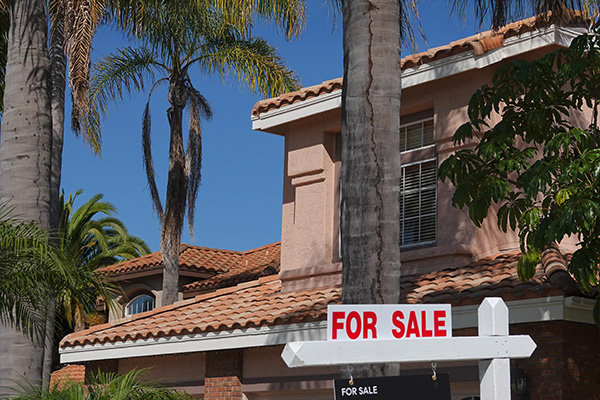
Home prices can rise quickly in competitive markets, with sellers often receiving more than the asking price in what amounts to a bidding war. In markets like these, it’s easy to get caught up in the excitement and spend more than you planned. Yet if you’re shopping for a new home, it’s critical not to undermine your long-term financial security by buying more house than you can comfortably afford.
The True Cost of “More Home”
Buying a higher-priced home increases your cost of living in several ways, with some obvious, others less so.
A larger home typically requires a larger mortgage, even if you roll all your current home equity into the new purchase. A bigger loan means higher monthly payments, which can strain your cash flow for years. That’s a long-term commitment that could limit flexibility later in life.
Higher property taxes add another layer of expense. Because most localities base property tax on market value, a pricier home means a bigger bill, often a much bigger one. For example, a home purchased in Santa Clara, California, for $425,000 many years ago carries an annual tax of roughly $8,200. If the owners sold that home and bought one for $1.3 million, their property tax would increase to about $15,600 a year. And if they moved up to a $2 million home, their annual property tax would jump to around $24,000, which is triple what they currently pay.
Property tax is especially burdensome because it rises over time and never disappears. Unlike a mortgage, you’ll pay it for as long as you own the home. That ongoing expense could force you to work longer or save more to sustain your lifestyle in retirement.
Selling your current home also comes with transaction costs that reduce the equity available for your next purchase. Brokerage commissions and other selling expenses often total 5% to 7% of the sale price. If your home has appreciated significantly, you may also owe capital gains taxes. Those deductions can quickly erode the cash you planned to roll into your next home.
Homeowners insurance and maintenance costs also climb with a larger property. You’ll likely notice the higher insurance premium upfront, but maintenance costs can be less predictable. A good rule of thumb is to budget about 1% of the home’s value annually for upkeep. That means a $2 million home could cost $20,000 a year to maintain.
If you buy an older home, deferred maintenance can drive costs even higher. That’s why it’s essential to order a professional inspection and understand what “as is” really means before signing.
Then there’s the cost of personalizing your new space. Renovations, new furniture, and moving expenses can add up quickly. Even small projects can snowball into significant cash outlays.

Building a secure retirement often means sacrificing immediate gratification for long-term financial stability. While delaying spending is crucial for wealth accumulation, it’s easy to become overly cautious in retirement. This can lead to feelings of guilt or reluctance when making purchases. Discover our spending tips designed for savers.
Watch this recorded webinar to learn more about retirement spending strategies.
The Hidden Cost: Lost Investment Growth
Spending more on a home doesn’t just raise your monthly bills; it can also divert money from savings and investments that build long-term wealth.
If you allocate more of your assets to real estate, you reduce the dollars working for you in investment and retirement accounts. Over time, that tradeoff can significantly shrink your retirement portfolio.
Think of it this way: when you buy a more expensive home, you shift funds from “working assets” to “lifestyle assets.” Working assets, such as your taxable investment and retirement accounts, generate income and compound over time. Lifestyle assets, like your home, provide comfort and enjoyment but don’t typically produce cash flow or liquidity.
Yes, your home may appreciate in value, but you can’t sell the kitchen to fund your retirement. To tap that value, you’d need to sell or borrow against the home, which introduces complexity and risk. For that reason, it’s best to view your home as a lifestyle asset, not an investment.
How to Make the Call
Buying a higher-priced home affects your finances in two key ways: it raises your annual housing costs and reduces the amount you can save and invest. Over time, both can delay your retirement or limit your financial flexibility.
Even if online calculators and mortgage lenders say you can “afford” a bigger home, the real question is whether doing so supports your long-term goals. Scenario analysis, which is a financial planning technique, can model how different home prices affect your retirement timeline, investment growth, and cash flow.
Before making a move, consider how your decision aligns with your broader financial plan. A thoughtful analysis now can help you buy confidently without sacrificing future security.
Savant Wealth Management provides comprehensive wealth management services, including financial planning, investment management, equity compensation planning, and tax planning, on a fee-only basis and as a fiduciary, acting in clients’ best interests. If you’re considering a home purchase or upgrade and want to understand how it fits into your long-term financial plan, schedule a complimentary consultation.