
“Someone is Attempting to Steal Your Identity”
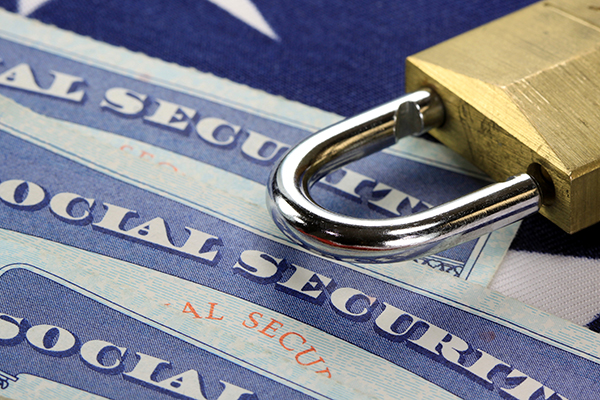
A few months ago, a friend of mine received a voicemail from a local credit union. “Someone is attempting to steal your identity. Please call us as soon as you can.” When I heard about this, it sounded like a scam, and I advised her not to call the number they left. I recommended that if she felt compelled to call, she should look up the number of the credit union and use that listed number instead.
Some time passed and I forgot about the exchange until my friend told me the same credit union left another message similar to the first. I reminded her to call the credit union but not to use the number the caller left.
Sure enough, after a few phone calls, it was confirmed that someone had entered a branch of the credit union with my friend’s information including Social Security number and attempted to open an account and apply for a credit card. They were turned down only because they did not have sufficient identification.
Identity theft is big business and the increase in cases is staggering. Criminals are hard at work to find the most vulnerable and they take advantage of every opportunity. Because these criminals are finding more creative ways to access personal information, consumers need to take extra measures to safeguard their identity.
Luckily, my friend had identity theft insurance and placed a call to the company as soon as she realized she had been a victim. In addition to keeping an eye on bank and credit card statements for any out-of-the-ordinary activity, it was recommended that she place a freeze with all credit reporting agencies. Here are the links and phone numbers to set up the freezes:
Equifax
1-800-203-7843
https://www.equifax.com/personal/credit-report-services/credit-freeze
TransUnion
1-800-916-8800
https://www.transunion.com/credit-freeze
Experian
1-888-397-3742
https://www.experian.com/freeze/center.html
ChexSystems
IRS IP PIN – This is to prevent someone from filing a tax return in your name.
https://www.irs.gov/identity-theft-fraud-scams/get-an-identity-protection-pin
Placing a freeze on credit reports generally prevents unauthorized parties from accessing them without your permission. When you set up the freeze, you place a username and password on your accounts. This generally prevents most third parties, including financial institutions attempting to open new accounts or loans, from accessing your credit report without your permission. Even if criminals have all your personal information, a credit freeze can significantly reduce the likelihood that they are able to open accounts or take out loans in your name.
If or when you have the need to temporarily unfreeze your credit reports, you can easily do it online or over the phone. Some people may not freeze their credit reports because of the small inconvenience, but it could prevent a major inconvenience if your identity were stolen.
Identity Theft Insurance
Although identity theft insurance cannot completely protect your identity, many providers offer services designed to monitor your name and sensitive information, help you restore your identity if compromised, and help offset certain related costs. They also offer services to help you avoid potentially becoming a victim. In the example of my friend, the provider indicated that available monitoring services did not identify relevant activity associated with her name. They then provided quick action steps to prevent further damage.
A few well-known companies for identity theft insurance include LifeLock, IDShield, and Zander. Before purchasing coverage, check with your property/casualty agent to see if you already have coverage and if so, what it covers.
Personal Diligence
One of the best ways to protect against identity theft is to be diligent. Here are some quick tips:
- Never share your personal information with anyone who calls you on the phone. Legitimate callers will not ask for personal or account information.
- Review bank and credit card statements and look for any suspicious activity.
- Protect your Social Security number. Do not write it on checks or anywhere that could be seen by curious eyes.
- Be suspicious of any email asking for immediate action.
- Use long passwords with small and capital letters, numbers, and symbols. Don’t ever use a word that could be found in the dictionary.
- Be careful what you share online. Criminals can sometimes piece together personal information through public social media posts.
- Shred any documents with personal information rather than throw in the trash. Monitor or, better yet, freeze your credit reports.
“An ounce of prevention is worth a pound of cure” – Benjamin Franklin
As with most things, a little diligence and a bit of invested time can go a long way toward preventing what could be a frustrating, time-consuming, and costly experience.
This is intended for informational purposes only. You should not assume that any discussion or information contained in this document serves as the receipt of, or as a substitute for, personalized investment advice from Savant. Please consult your investment professional regarding your unique situation. These examples are provided for informational purposes only and are not endorsements. Savant does not receive compensation from these identity theft insurance companies.
 Kenneth R. Duetsch
Managing Partner / Financial Advisor
CFP®, CFA®, MBA
Kenneth R. Duetsch
Managing Partner / Financial Advisor
CFP®, CFA®, MBA