
From Desmond Wealth Management to Savant: A Conversation with Greg Desmond
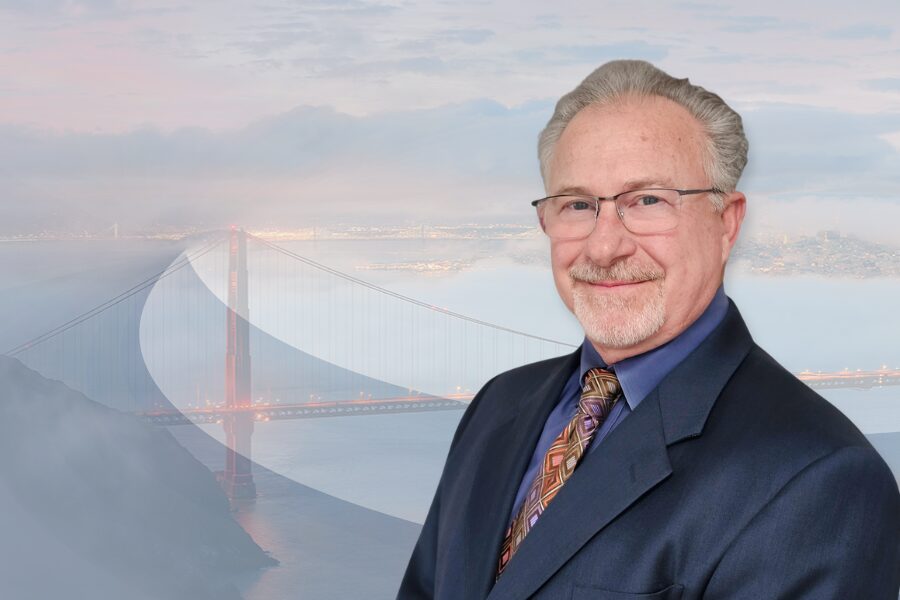
When Desmond Wealth Management and Desmond Consulting Group joined Savant Wealth Management in May 2026, the question founder Greg Desmond, CPA/PFS, CFP®, needed answered first wasn’t about resources or scale. It was whether his Bay Area clients, some of whom have worked with him for decades, would still recognize the practice on the other side.
For Greg, the goal has never been to serve the most clients. It has been serving the right clients deeply. That means families and business owners who value collaboration, clarity, long-term thinking, and a relationship built on trust. That philosophy shaped Desmond Wealth Management from the beginning and is also a major reason Savant felt like the right next step.
Two Firms, Built to Work as One
Thirty-five years ago, Greg started doing something unusual for the time: refusing to separate financial planning from tax strategy. Most advisors picked a lane. Greg built two firms instead, Desmond Wealth Management and Desmond Consulting Group, designed from the outset to function as one.
The reasoning was simple, even if the execution wasn’t. “The planner’s job and the tax preparer’s job are looking at two different things, and both views matter before a decision gets made, not after,” Greg says.
His lens as a planner is risk and a client’s actual goals: what the money needs to do, how much risk is tolerable to get there, what success even means for that specific life. Tax is a real input to that decision, but only one of several. Sometimes, he says, the right move is to pay some tax, because avoiding it would mean taking on more risk than a client should, or missing the goal the tax savings were supposed to serve in the first place.
That’s a hard call to make when the tax side and the planning side sit in two separate firms, on two separate calendars, each looking at half the picture. Greg wanted those perspectives worked through together before a move is made, not stitched together after the fact between two busy professionals trading emails.
When the tax preparation team and planning team are working from the same set of facts, the advice can become more granular, more coordinated, and more practical. The goal is not simply to prepare a return or create a plan. The goal is to connect the two, so clients receive advice that reflects their real financial picture.
When the two are synced going in, clients get decisions that reflect both the risk and the goal, tax consequences included, rather than just the lowest possible tax bill.
A Personal CFO, Not a Portfolio Watcher
Greg describes his role as a “personal CFO” for clients, and on any given Tuesday, that rarely means watching a portfolio.
It looks more like a call with a client’s estate attorney about how a trust is titled. It looks like sitting with a client who just became an executor because her husband passed, walking her through what has to happen this week, not eventually, so she isn’t doing it alone.
It also means leadership and accountability applied to everyone touching a client’s plan, including Greg’s own team. Making sure the estate attorney finishes the trust update instead of letting it sit for eight months. Telling a client the truth plainly and briefly, even when it isn’t what they hoped to hear.
“Nobody hires a financial advisor to make their financial life more complicated,” Greg says. “They hire one to help make it simpler.”
A Relationship-Centered Approach
Desmond Wealth Management has always been built around fewer clients and deeper relationships. The team intentionally works with a select group of families and business owners they know well and genuinely enjoy serving.
Every client engagement begins with clear expectations around communication, responsiveness, and accountability. The goal is not a transactional relationship. It is a true partnership where both sides understand what needs to happen, who is responsible for what, and how decisions will be made.
Greg believes that kind of clarity matters because financial planning is not just about technical answers. It is about helping clients make better decisions, follow through, and avoid unnecessary complexity.
“We want clients to feel like their financial life is organized, intentional, and under control,” Greg says. “But that does not happen once and stay that way by itself. A client’s financial life needs constant oversight and care. Accounts change, tax laws change, families change, goals change, and small details can become bigger problems if no one is paying attention.”
That is why structure matters. Regular communication, clear workflows, proactive follow-up, and a willingness to keep improving are all part of keeping a client’s financial life organized over time.
Why Savant
That philosophy is what Greg tested before agreeing to join Savant. He needed to know that joining a larger platform wouldn’t cost his clients the thing they actually valued: the closeness, the responsiveness, the sense that someone who genuinely knows them is on the other end of the line.
He wasn’t chasing scale for its own sake. He was looking for a way to help give clients more, deeper investment resources, a broader planning bench, expanded tax and consulting expertise, and real institutional continuity for when he eventually steps back, without diluting what made the practice work in the first place.
He felt Savant passed that test. Greg’s team can keep running a boutique, tax-centric, relationship-first practice, now backed by a full private client platform and a tax and consulting team down the hall. Greg believes it allows the team to offer additional resources and capabilities while maintaining its existing service model.
Greg also points to something closer to a Kaizen mindset behind the decision: always looking for the next small way to add value, rather than assuming the work is finished. “I’ve been doing this for more than 35 years, and I know we haven’t figured everything out,” he says. “We know our craft, but we also remain humble students of it.”
What Stays the Same
For clients who have worked with Greg for a decade or more, the message is straightforward: the people keeping every detail organized, following up, and striving to make sure nothing falls through the cracks are still the same. Greg is still the one telling clients the truth, briefly, and holding the whole team accountable to get things done.
What’s changing is what’s standing behind that work: a deeper investment platform, more specialists, broader planning resources, and a thoughtful plan for continuity.
“If you’ve been with us 10 years, you already know how we operate. That doesn’t change,” Greg says. “What’s changed is that we now have more resources standing behind the way we’ve always done it, and honestly, more tools designed to help keep reducing friction in your life, not adding to it.”
Lessons from Outside the Office
Greg’s hobbies, such as cycling, skiing, woodworking, wine collecting, and golf, aren’t just downtime. They’ve shaped how he thinks about the work.
The Tour de France reinforces a lesson about long-term investing: nobody wins a three-week race by sprinting the first stage, and nobody builds wealth by sprinting the market either.
But retirement itself, he’s learned, can’t be paced the same way, because health doesn’t wait for markets to recover. Most people who retire have roughly 1,000 weekends left, and only about 500 with reasonably good health. That number reframes the whole conversation: the early years of retirement are for seizing the opportunities saved for, not rationing them evenly over three decades.
“True wealth equals good health and discretionary time,” Greg says.
Woodworking taught him patience. Wine taught him deferred gratification. Skiing reminded him that there are seasons in life that need to be enjoyed while they’re available. None of it, he insists, is a stretch from the financial planning work. If anything, it has changed how urgently he thinks about the whole picture, not just the money.
Looking Ahead
Thirty-five years in, Greg says what’s changed most is how much clients expect transparency and access. Technology now lets his team provide that in ways it simply couldn’t before. What hasn’t changed is the actual work of the relationship: leadership, accountability, and telling people the truth, succinctly, in a way that’s all about them.
The merger with Savant is the next step in Desmond Wealth Management’s evolution. It combines Greg’s relationship-driven, tax-integrated, personal CFO model with Savant’s scale, resources, technology ecosystem, and broader bench of specialists. Together, the goal is to help deliver a client experience that is more organized, more proactive, and more responsive, supported by advanced tools, thoughtful processes, and a shared commitment to helping clients live simple, elegant financial lives through every transition ahead.
Ask Greg how he’ll know, a year from now, that this partnership was the right call, and the answer isn’t dramatic.
He believes if clients can’t tell the difference in how it feels to work with his team, except that things hopefully got easier, not harder, that’s the win. If his team is recognized for roles they’ve already earned, that’s a win. If real progress has been made in developing the next generation of advisors so the practice can outlive him, that’s a win too.