
Retirement Planning for St. Paul Professionals Nearing Retirement

Professionals in St. Paul approaching retirement often face a narrow window to make high-impact financial decisions. After decades of saving and investing, the focus shifts from accumulation to income, taxes, and long-term sustainability. These years require careful coordination to help ensure retirement assets support both lifestyle needs and legacy goals.
Retirement planning in St. Paul, MN, often becomes more complex as individuals balance Social Security decisions, portfolio withdrawals, and tax exposure. Working with a financial advisor in St. Paul who follows a fiduciary standard can help align these moving parts into a cohesive long-term strategy.
Why Retirement Planning Changes as Professionals Near Retirement
As retirement approaches, financial priorities evolve. Market risk, tax efficiency, and income reliability take on greater importance. For many Twin Cities professionals, peak earnings occur late in their careers, which limits the margin for error.
Late-stage planning often focuses on coordinating retirement accounts, taxable investments, and benefit elections. Without a clear plan, even well-funded portfolios can produce uneven income or unnecessary tax burdens. Fiduciary financial planning in Minnesota emphasizes coordination rather than isolated decisions.
When Should Retirement Income Withdrawals Begin?
The timing of retirement withdrawals depends on income needs, tax considerations, and account structure. Some professionals delay withdrawals to allow assets to grow, while others begin earlier to manage future tax exposure.
Retirement planning in Minneapolis often considers how withdrawals interact with Social Security, required minimum distributions, and Medicare premiums. A structured drawdown strategy can help smooth income and reduce surprises later in retirement.
How Can Retirees Help Minimize Taxes in Retirement?
Taxes often represent one of the largest ongoing expenses in retirement. Large balances in pretax accounts can trigger higher tax brackets if withdrawals remain uncoordinated.
Tax-aware retirement planning commonly addresses:
- Coordinating withdrawals across taxable, tax-deferred, and tax-free accounts
- Managing income levels before required minimum distributions begin
- Evaluating Roth conversion opportunities during lower-income years
- Aligning investment management with long-term tax strategy
For St. Paul professionals, these decisions can meaningfully affect after-tax income over time.
When Should Social Security Benefits Begin?
Social Security timing plays a critical role in retirement income planning. Claiming decisions affect lifetime benefits, spousal income, and survivor planning.
Rather than focusing solely on the earliest or latest possible age, fiduciary financial planning in Minnesota evaluates Social Security within the broader retirement income plan. Coordinating benefits with portfolio withdrawals and tax strategy can help improve overall efficiency.
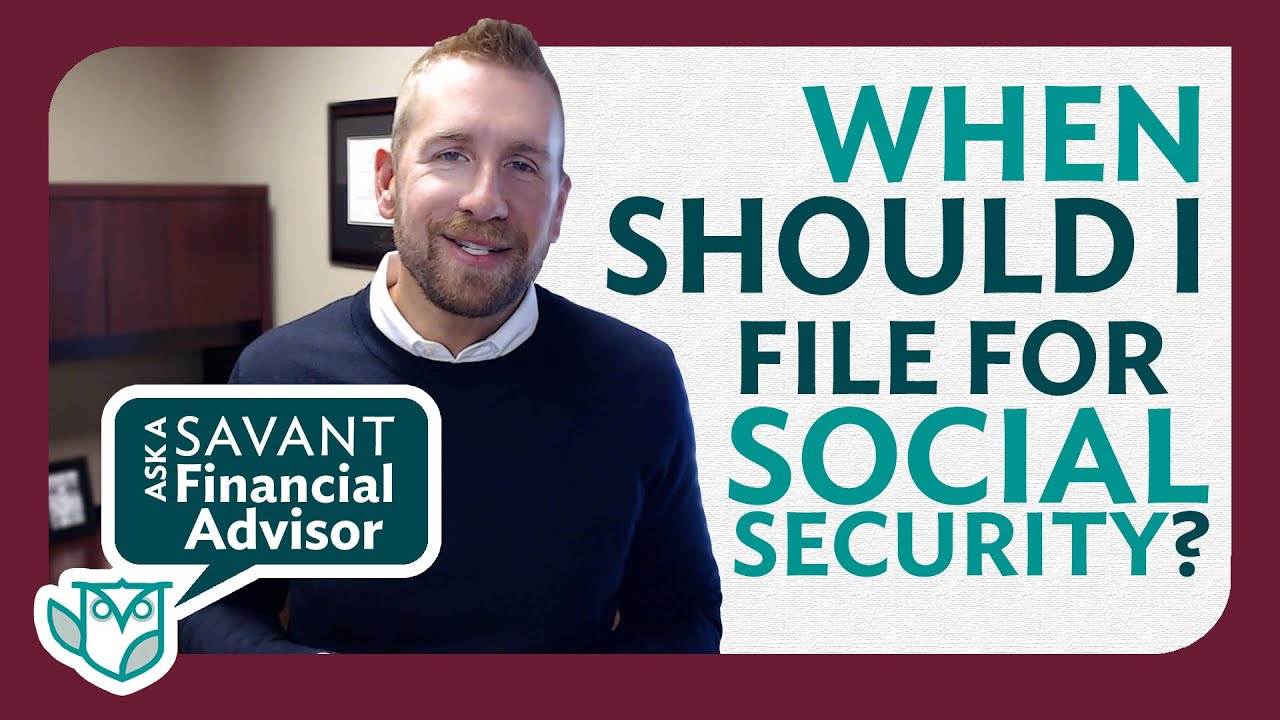
This is a common question when you’re ready to plan your retirement income. Many people want to start Social Security payments as soon as they’re eligible at age 62, but did you know that if you wait, your benefits increase 8% annually? All the way to age 70? That’s right. The longer you wait to claim, the higher your monthly payments will be.
How Can St. Paul Professionals Help Build a Sustainable Retirement Income Plan?
A sustainable income plan balances current spending with long-term portfolio health. Market volatility, inflation, and longevity all influence how income strategies perform over time.
Effective income planning often:
- Establishes withdrawal guidelines tied to portfolio structure
- Diversifies income sources rather than relying on a single account
- Adjusts spending and withdrawals as markets change
- Revisits assumptions regularly
This flexible approach can help support financial stability throughout retirement.
What Retirement Mistakes Should Professionals Avoid?
Even experienced investors can encounter challenges when transitioning into retirement. Common issues often stem from timing and coordination rather than investment selection.
Frequent mistakes include:
- Retiring without a clear withdrawal strategy
- Underestimating tax impact on retirement income
- Claiming Social Security without coordination
- Taking too much or too little risk too early in retirement
Addressing these risks early can help protect long-term outcomes.
How Do Health Care Costs Factor into Retirement Planning?
Health care represents a significant and often unpredictable expense in retirement. For professionals retiring before Medicare eligibility, coverage planning becomes especially important.
In retirement planning in St. Paul, health care considerations often influence income timing, cash flow needs, and investment strategy. Coordinating health care planning with retirement income can help reduce uncertainty and financial strain.
Should Professionals Consider Roth Conversions Before Retirement?
Roth conversions can provide tax diversification and future income flexibility. However, they do not suit every situation.
For some professionals in the Twin Cities, conversions make sense during years with temporarily lower income, such as early retirement or reduced work schedules. Fiduciary guidance can help evaluate whether the long-term benefits justify the near-term tax cost.
How Can a Fiduciary Advisor in St. Paul Support Late-Stage Retirement Planning?
Late-stage retirement planning often requires tradeoffs between income, taxes, and risk. A fiduciary financial advisor in St. Paul provides objective guidance focused on the client’s goals rather than product incentives.
Fiduciary advisors can help coordinate retirement planning, investment management, and tax strategy into a unified plan that adapts over time.
How Can St. Paul Retirees Manage Market Risk in Retirement?
Market risk does not disappear in retirement. In fact, the sequence of returns can significantly affect income sustainability.
Managing risk often involves aligning portfolio structure with income needs, maintaining appropriate diversification, and avoiding reactive decisions during market downturns. Investment management works best when integrated with the retirement income plan.
What Is the Best Way to Coordinate Legacy Planning?
Legacy planning remains an important consideration for many Minneapolis professionals. Coordinating retirement income with estate planning can help ensure assets transfer according to long-term intentions.
Legacy coordination often includes beneficiary reviews, tax-aware withdrawal planning, and alignment with broader estate planning strategies. This integration supports both income needs and long-term goals.
Why Local Fiduciary Guidance Matters in St. Paul
St. Paul professionals face unique considerations tied to state taxes, cost of living, and employment patterns. Working with a financial advisor in St. Paul who understands these factors can help improve planning relevance and coordination.
Fiduciary financial planning in Minnesota emphasizes objectivity, transparency, and long-term alignment rather than one-time decisions.
Bringing Retirement Planning Together
Retirement planning in St. Paul becomes most effective when income strategy, tax planning, investment management, and legacy goals work together. For professionals nearing retirement, coordinated planning supports clarity and discipline during a critical transition.
At Savant Wealth Management, our advisors work with high-income St. Paul professionals nearing retirement. If you’re ready to discuss a comprehensive strategy tailored to your evolving retirement priorities, schedule a call with a Savant financial advisor today.
This is intended for informational purposes only. You should not assume that any discussion or information contained in this document serves as the receipt of, or as a substitute for, personalized investment advice from Savant. Please consult your investment professional regarding your unique situation.