
Too Much or Too Little? Finding the Right Withdrawal Rate for Retirement
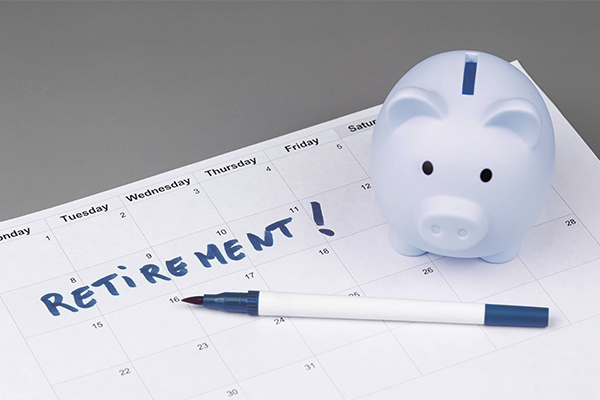
Your retirement lifestyle will depend not only on your assets and investment choices but also on how strategically you generate retirement income and draw from your portfolio.
The challenge is not simply generating income; it’s balancing sustainable withdrawals, tax efficiency, and long-term wealth preservation.
The annual percentage withdrawn from your portfolio, known as your withdrawal rate, is one of the key variables in retirement planning. Determining an appropriate or safe withdrawal rate requires a thoughtful approach that integrates market risk, longevity, and legacy objectives.
Why is Your Retirement Withdrawal Rate Important?
Take out too much too soon, and you risk running out of money. Take out too little, and you might not enjoy your retirement years as much as you could. Withdrawal decisions are especially important in the early years of retirement. How your portfolio is structured and how much you withdraw can significantly affect how long your savings will last.
Life expectancy continues to rise, especially among populations with access to better healthcare and lifestyle advantages. According to the National Center for Health Statistics, individuals who reached age 65 in 1950 could anticipate living an average of 14 more years, to age 79. Today, a 65-year-old might expect to live roughly 19 additional years.
| Life Expectancy at Birth and Age 65, by sex (2024) | ||
| Men | Women | |
| At birth | 76.5 | 81.4 |
| At age 65 | 83.4 | 85.8 |
Assuming rising inflation, your projected annual retirement income must account for cost-of-living increases over this long time period. That means you need to think carefully about how to structure your portfolio to provide an appropriate withdrawal rate, especially in the early years of retirement.
What withdrawal rate should you expect from your retirement savings?
There is no universal answer — but research provides a starting point.
A seminal study on withdrawal rates for tax-deferred retirement accounts analyzed the annual performance of hypothetical portfolios that were continually rebalanced to maintain a 50-50 mix of large-cap stocks (S&P 500 Index) and intermediate-term Treasury notes. The study considered major financial events, including the early years of the Great Depression, the 1937-1941 market decline, and the 1973-1974 recession. It found that a withdrawal rate slightly above 4%—often referred to as the “4% rule”—historically provided inflation-adjusted income for at least 30 years. These results are based on historical market data and specific portfolio assumptions and do not guarantee future outcomes.
Subsequent studies have shown that broader portfolio diversification, rebalancing strategies, variable inflation assumptions, and a willingness to accept uncertainty about income levels and portfolio longevity can also impact initial withdrawal rates. For example, if you’re unwilling to accept meaningful probability that your chosen strategy will be successful, your sustainable withdrawal rate may need to be lower than you’d prefer to increase the odds of getting the results you desire.
Conversely, a higher withdrawal rate could increase the risk of running out of money.
It’s important to remember that these studies are based on historical investment performance and are not indicative of results that investors may experience.
Inflation is a Major Consideration for Withdrawal Rates
To understand why suggested initial withdrawal rates are not higher, consider the effect of inflation on your retirement income. The following example is hypothetical and does not account for taxes.
A $1 million portfolio invested in an account that hypothetically earns a consistent 5% return generates $50,000 in annual income. But if inflation rises 3%, you will need $51,500 the following year to maintain purchasing power. Because the portfolio generates only $50,000, you must withdraw an additional $1,500 from principal to meet expenses.
Over time, this principal reduction lowers the portfolio’s ability to generate income. In a simplified model, principal reductions can, in some scenarios, eventually deplete the portfolio within approximately 25 to 27 years, depending on withdrawal timing.
Volatility and Portfolio Longevity Impact on Withdrawal Rates
When setting an initial withdrawal rate, it’s important to consider market volatility. The greater a portfolio’s fluctuations, the higher the likelihood it may not last as long as needed.
During market downturns, you may need to sell investments to maintain withdrawals. This phenomenon, often referred to as sequence of returns risk, can have a significant impact on portfolio longevity. Selling assets at depressed prices can reduce future income potential and shorten the life of your portfolio.
Calculating an Appropriate Withdrawal Rate
Your withdrawal rate should reflect many factors, including:
- Asset allocation
- Inflation expectations
- Expected rate of return
- Income needs
- Investment horizon
- Risk tolerance
The higher your withdrawal rate, the more important it is to evaluate whether it is sustainable over the long term.
How Much Retirement Income Can Your Portfolio Provide?
A well-structured withdrawal strategy may help support your portfolio in meeting both your lifestyle and long-term wealth objectives.
At Savant, our advisors can help develop a retirement income strategy and sustainable withdrawal rate tailored to your goals, assets, tax situation, and lifestyle.
 Edward R. Jastrem
Senior Planning Specialist
CFP®, ChFC®, CMFS, CLTC®, CRPC®, AWMA®, MS
Edward R. Jastrem
Senior Planning Specialist
CFP®, ChFC®, CMFS, CLTC®, CRPC®, AWMA®, MS