
Don’t Wait for a Crisis to Get Moving
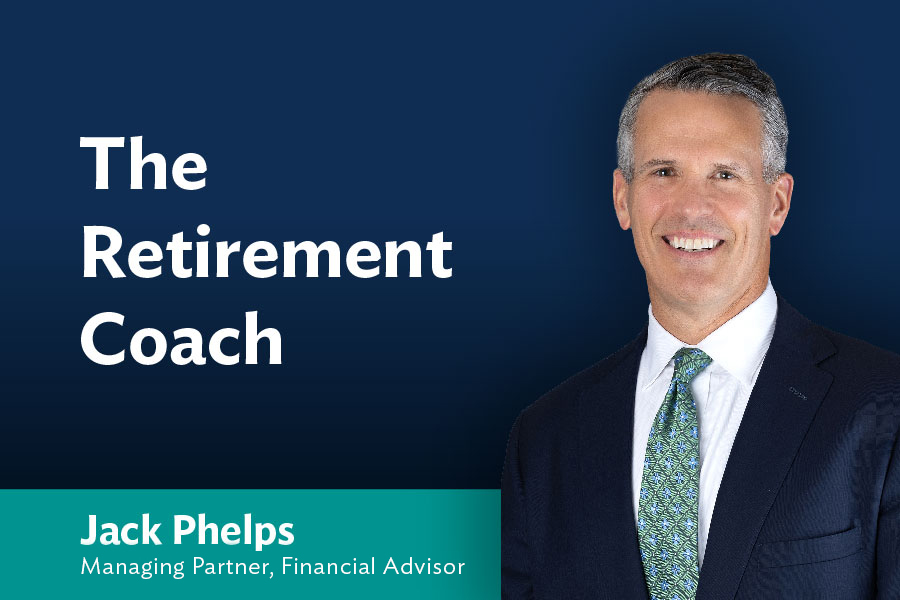
I was 20 years old when my mother passed away. She was 57, younger than most of the clients I work with today. She had been sick for 19 months so we knew it was coming. But knowing something is coming and being prepared for it are two very different things.
What I remember most from those 19 months wasn’t just the sadness of losing my mother, as overwhelming as that was. It was watching her relationship with time change completely.
Before she got sick, my mother lived the way most of us do, assuming there would always be more time. More time with our family and her first grandson who was born that year. More time to reconnect with old friends. More time to say the things that needed to be said and do the things that kept getting postponed. The quiet mornings she was going to enjoy once things slowed down.
Unfortunately, things never slowed down. And then there was no more time.
As time passed, the lesson I’ve continued to carry with me is to never wait. Not for a better moment, not for a more convenient season, not for the mythical “someday” that has a way of never arriving.
I would certainly have preferred not to learn that lesson the way I did. But I am grateful I learned it when I did at the young age of 20 with most of my life still ahead of me. The alternative is learning it too late.
The Couple Who Almost Waited
A few years ago, I was meeting with a 63-year-old couple. I’ll refer to them as Bill and Mary to protect their identity. Bill had spent 35 years building a successful engineering career. Mary had raised their three children and later built a thriving part-time consulting practice of her own. Together they had done everything right. They had saved diligently, lived below their means, and after careful calculation and forecasting, it was clear they had more than enough built up to support their investment goals.
Bill had one more thing he wanted to do before he retired: finish a major infrastructure project he had been leading for three years. It was important work and he was proud of it. “Just two more years,” he told me.
Six months later, Bill was diagnosed with stage three Parkinson’s disease.
He retired immediately, not on his terms, but on the disease’s terms. The trip to Italy he and Mary had been planning for a decade happened, thankfully, because Mary insisted they stop waiting. But the 10 to 20 years of active, healthy retirement they had imagined were compressed into a narrower window than either of them had ever anticipated.
I think about Bill and Mary often, particularly when I’m sitting with clients who are financially ready to make a change but are waiting for one more reason to feel certain.
The Illusion of “Later”
Here’s what I have observed after more than 35 years of working with dedicated savers approaching this phase of life: the ones who thrive in retirement are not necessarily the ones with the most money. They are the ones who made a conscious decision before their retirement transition, not after, about what they actually wanted the rest of their lives to look like.
They didn’t drift into retirement. They designed it.
The ones who struggle are often the ones who spent so many decades focused on accumulating that they never gave serious thought to what they were accumulating for. They arrive at financial independence and find themselves surprisingly adrift because the structure and purpose that work provided has disappeared, and nothing intentional has been built to replace it.
Here’s the irony: the very discipline that made them great savers, i.e. heads down, focused on the goal, delaying gratification, can work against them after they’ve transitioned to retirement if they’re not careful because retirement is not a finish line. It is the beginning of what all that saving was actually for.
And “later” has a way of becoming now before you’re ready.
My Recommended Strategy
I want to share an exercise I have recommended for years. It sounds simple. It isn’t easy, but if you do it honestly, it may be one of the most valuable hours you spend this year.
Find a quiet spot, your favorite chair, a spot on the back porch, wherever you do your clearest thinking. Lock the doors. Turn off the television. Silence your phone. Pull out a pad of paper and a pen, not a laptop or a notes app. Paper and pen.
Tell everyone to give you some uninterrupted quiet time. Then close your eyes, take a breath, and ask yourself this one question:
“If I were sitting here three years from today, looking back over those three years to right now — what would have to have happened for me to feel genuinely happy with how I spent that time?”
Don’t start with money. Don’t start with your portfolio or your tax strategy or your withdrawal rate. Start with your life.
- What would you like to say you did?
- What opportunities did you finally take advantage of?
- What did you let go of — obligations, commitments, relationships that were draining you — to make room for what matters most?
- Where did you spend your time?
- And most importantly, who did you spend the majority of your time with?
Write down everything that comes to mind without editing yourself. Let your mind wander. Then prioritize the list in order of what matters most to you personally, not to your employer, not to your children, not to anyone else. To you.
A word of caution: be thoughtful about who you share this list with. We all have people in our lives who, however well-intentioned, have a way of deflating our energy and dampening our enthusiasm. Share your list with the people who share your zest for life and will cheer you forward. Keep it away from the energy drainers.
Then keep the list somewhere visible. Look at it every day. Revisit it every year.
The most exciting feeling a person can have is the feeling of moving deliberately toward something that matters to them. That momentum, that sense of purpose and forward motion, is what separates the people who genuinely flourish in this phase of life from the ones who simply pass through it.
The Real Purpose of Financial Independence
Everything we do together — your Retirement Blueprint, the investment discipline, the tax planning, the withdrawal strategy – is in service of one thing: helping you develop the confidence to live the life you have spent decades preparing for.
Financial independence is not the destination. It is the vehicle. The destination is the ideal future you want to experience — the trips, the relationships, the mornings with no agenda, the grandchildren, the pursuit you always told yourself you’d get to someday.
My mother never got her someday. Bill almost ran out of his.
But here’s what I also know after more than 35 years of watching people navigate this transition: the ones who approach it with intention, who do the quiet work of deciding what they actually want before the calendar forces the decision, are often the ones who look back with fewer regrets.
They are the ones who took the trip while their knees still worked. Who had the meaningful dinners with old friends without checking their phones. Who showed up for their grandchildren not just on holidays but on ordinary Tuesday afternoons when nothing special was happening and discovered that those were actually the most special moments of all.
They didn’t stumble into that life. They chose it. Deliberately. Before a crisis made the choice for them.
That is exactly the kind of retirement we believe every dedicated saver who has done the hard work deserves to experience.
Don’t wait for a crisis to remind you of that.
Do the exercise. Write the list. Look at it tomorrow morning and the morning after that. Start moving toward the life you’ve earned — not someday, but now.
Once you’ve done the quiet chair exercise and have a clearer picture of what you want this chapter of your life to look like, we’d love to have that conversation with you. Schedule your complimentary Retirement Strategy Assessment and let’s make sure your financial plan is fully aligned with the life you actually want to live.
Get out there and soak it all up. Be busy. Be exhausted. Be present.
 Jack Phelps
Managing Partner / Financial Advisor
Jack Phelps
Managing Partner / Financial Advisor