
Is Travel Insurance Worth It?
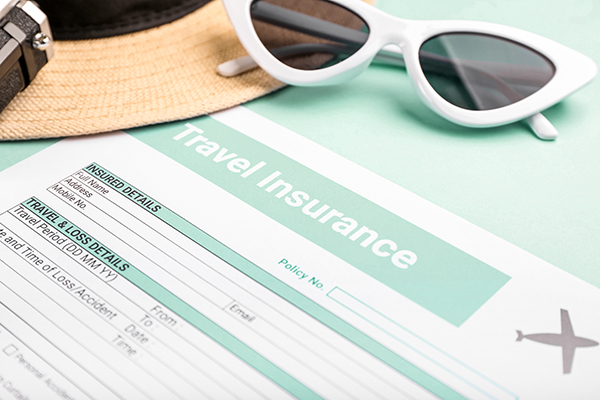
Travel disruptions are hard to ignore. Snowstorms, thunderstorms, extreme cold, airport closures, staffing issues, and widespread flight delays leave many travelers stranded or scrambling to rebook plans at the last minute. Not surprisingly, one common question we hear is:
“Should I purchase travel insurance?”
Our answer is usually, “it depends.” Every trip is different, and every situation is unique. Some travelers find comfort in purchasing a robust policy in case something goes wrong, while others prefer to save money upfront and accept more risk.
What Does Travel Insurance Cover?
Coverage varies significantly by provider and policy and may include exclusions, reimbursement limits, or conditions that affect eligibility for claims.
Before deciding whether you need travel insurance, it helps to understand what it is and what it covers. Travel insurance comes in many forms, but at its core, it’s designed to protect you financially if something unexpected happens while you’re traveling.
Coverage may include trip cancellation or interruption, accident protection, medical coverage, baggage loss, trip delays, and travel assistance. In today’s travel environment, delay and interruption coverage has become especially relevant. Weather-related cancellations, missed connections, and extended airport closures can result in unexpected lodging, meal, and transportation expenses, which some policies may reimburse after a minimum delay threshold.
“Cancel for any reason” (CFAR) coverage is another feature that has grown more popular in recent years. Though it is typically more expensive and often reimburses only part of your trip cost, it can offer added flexibility if something unexpected arises. Some examples include a family obligation or illness that prevents you from traveling. It’s important to note that you usually must purchase CFAR coverage shortly after your initial trip deposit. It also comes with specific conditions.
You can purchase an all-inclusive policy that bundles many of these features together, or customize coverage based on your needs.
One-Time Trips vs. Annual Coverage
Many travel insurance policies are designed for one-time trips, protecting you for specific dates and destinations. However, some providers offer multi-trip or annual plans as well. If you travel frequently, particularly internationally, an annual plan may be more economical in some cases than purchasing individual policies for each trip.
Things to Consider
When deciding whether travel insurance is right for you, it’s worth evaluating your overall exposure:
- What coverage do you already have through credit cards, personal medical insurance, or umbrella policies?
- What would your out-of-pocket cost be if you had to cancel or rebook? Are flights, hotels, and transportation refundable or already paid for?
- Are you traveling to a major destination with multiple backup flight options, or somewhere more remote where disruptions could leave you stranded?
- How would severe weather impact your plans? Winter storms and extreme cold can shut down travel for days, particularly in regions with limited alternatives.
- What would happen if you experienced a medical emergency or needed evacuation while away from home?
If thinking through these scenarios causes stress, or if the financial impact of a disruption could be significant, you may choose to further evaluate whether travel insurance aligns with your personal preferences and financial situation.
Where Do I Buy Travel Insurance?
If you’re interested in getting a quote, there are several reliable options:
- A knowledgeable travel agent can often assist if you’re using one.
- Comparison sites such as InsureMyTrip and SquareMouth allow you to review and compare multiple policies.
- Providers like Allianz Travel Insurance, American Express Travel, and Faye are examples of companies that offer travel insurance products. Savant does not endorse or evaluate these providers.
- For specialized trips, such as an African safari or high-risk sports, niche providers like World Nomads offer specialized coverage options and are included here for illustrative purposes only.
Most platforms allow you to select from recommended policies based on your travel details and customize coverage around what matters most to you. With so many providers, it’s important to choose coverage that aligns with your destination, travel style, and risk tolerance.
When Should I Purchase Travel Insurance?
Once you’ve booked your flights, cruise, hotel, or transportation, you’ll have a clearer picture of your total prepaid trip costs. This information helps you evaluate whether insurance makes sense and helps you calculate a more accurate quote.
Each insurance provider has specific purchase windows, and generally, the closer you get to your departure date, the fewer coverage options you’ll have. This is especially true for enhanced options like cancel-for-any-reason coverage. Waiting too long could limit your choices or void coverage altogether, so it’s important to keep an eye on timing.
Before purchasing any policy, be sure to read the terms and conditions carefully so you understand what is covered, what isn’t, and how the policy handles claims.
Travel Planning as Part of Financial Preparedness
Just like many other financial decisions, deciding whether to purchase travel insurance is about managing risk. While insurance may not be necessary for every trip, understanding potential exposures and planning accordingly can help protect both your travel experience and your broader financial picture. Thoughtful preparation may help you address certain travel-related risks and focus more on enjoying the journey ahead.
This is intended for informational purposes only. You should not assume that any discussion or information contained in this document serves as the receipt of, or as a substitute for, personalized investment advice from Savant. Please consult your investment professional regarding your unique situation.
 Joseph A. Waters
Financial Advisor
CFP®, CBDA, MS
Joseph A. Waters
Financial Advisor
CFP®, CBDA, MS